

Choice Made Simple!
Too many options?Click below to purchase an online gift card that can be used at participating retailers in Village Green Shopping Centre and continue your shopping IN CENTRE!Purchase HereHome
An Inquiry into the Symbolical Language of Ancient Art and Mythology
Coles
Loading Inventory...
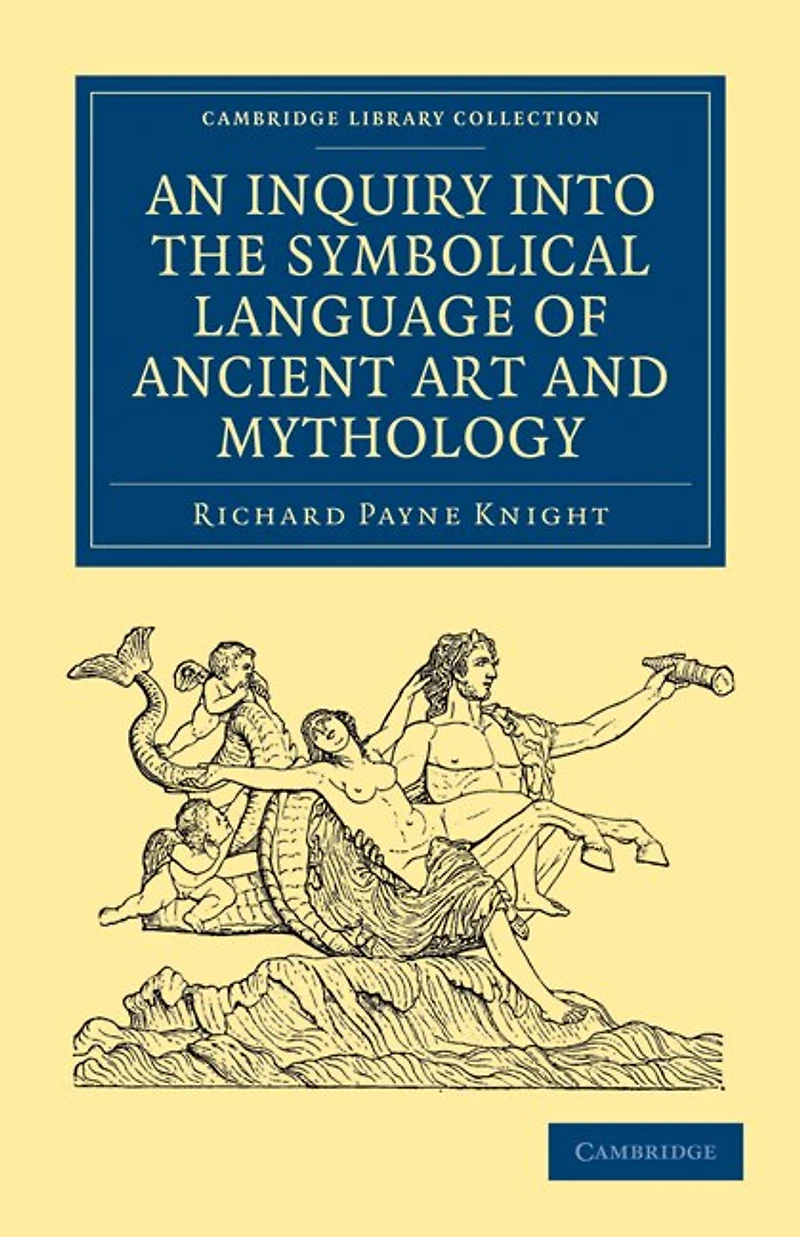
An Inquiry into the Symbolical Language of Ancient Art and Mythology in Vernon, BC
By None
Current price: $29.54
Coles
An Inquiry into the Symbolical Language of Ancient Art and Mythology in Vernon, BC
By None
Current price: $29.54
Loading Inventory...
Size: Paperback
*Product information may vary - to confirm product availability, pricing, shipping and return information please contact Coles
This influential work of 1818 by dilettante and critic Richard Payne Knight (1751–1824) has stood the test of time. The study investigates the sexual symbolism of the art of different religions, providing a key to the mythology of the ancients and fostering a clear understanding of the canons and principles of art. An eminent art historian, collector and textual critic, Knight led the way in convincing British taste that Roman art was inferior to Greek, arguing that Greek art was the more authentic and original. Here, he calls for more correct versions of Homer, Plato and other Hellenic writers, to obtain accurate perceptions of Grecian ideas. Demonstrating his in-depth knowledge of classical architecture and literature, and drawing upon his considerable resources as a collector, Knight analyses the genetic character of symbols, and the patterns of their occurrence in different cultures.
This influential work of 1818 by dilettante and critic Richard Payne Knight (1751–1824) has stood the test of time. The study investigates the sexual symbolism of the art of different religions, providing a key to the mythology of the ancients and fostering a clear understanding of the canons and principles of art. An eminent art historian, collector and textual critic, Knight led the way in convincing British taste that Roman art was inferior to Greek, arguing that Greek art was the more authentic and original. Here, he calls for more correct versions of Homer, Plato and other Hellenic writers, to obtain accurate perceptions of Grecian ideas. Demonstrating his in-depth knowledge of classical architecture and literature, and drawing upon his considerable resources as a collector, Knight analyses the genetic character of symbols, and the patterns of their occurrence in different cultures.
You May Also Like







More About Coles at Village Green Shopping Centre
Find everything in-store including new, used and children’s books, music, movies, games and toys. Visit Coles today to find the perfect gift, or a novel for yourself. COVID-19 UPDATE: Open | Regular Centre Hours
Store Info
Find Coles at Village Green Shopping Centre in Vernon, BC
Visit Coles at Village Green Shopping Centre in Vernon, BC