

Choice Made Simple!
Too many options?Click below to purchase an online gift card that can be used at participating retailers in Village Green Shopping Centre and continue your shopping IN CENTRE!Purchase HereHome
An Everyday Life of the English Working Class: Work, Self and Sociability in the Early Nineteenth Century
Coles
Loading Inventory...
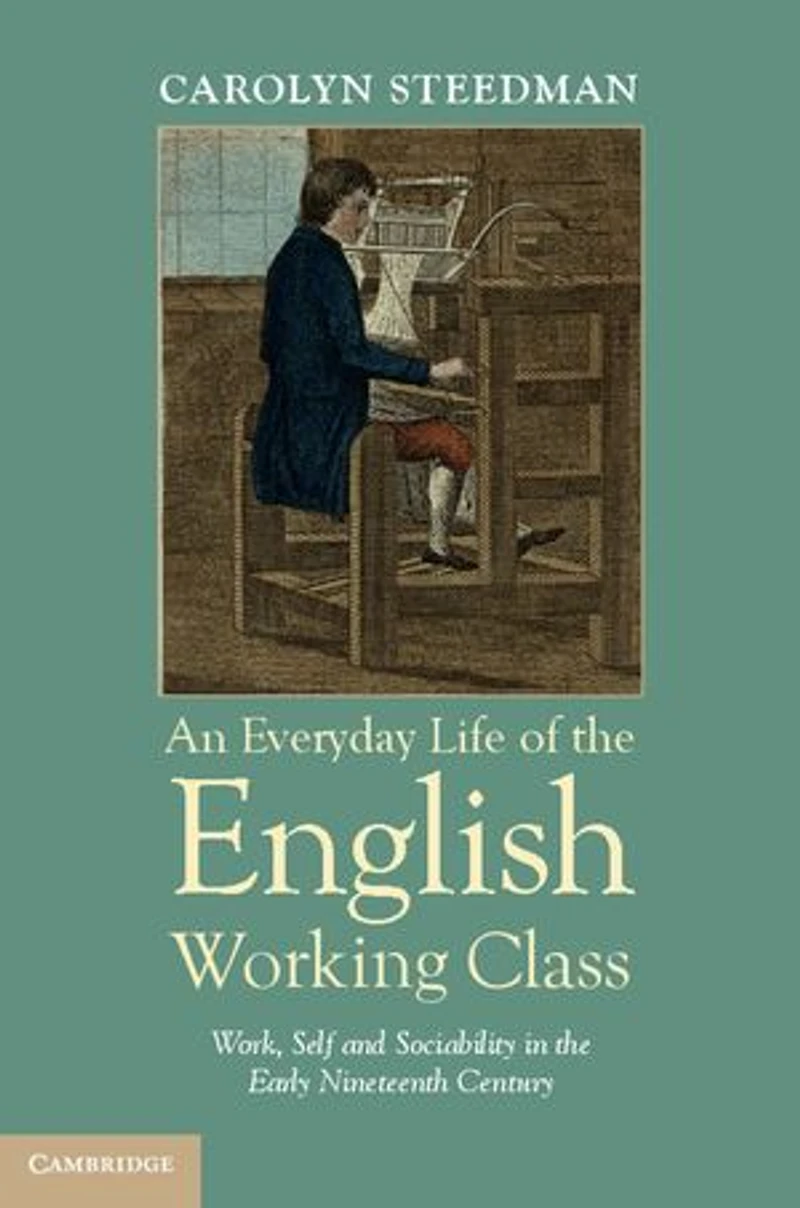
An Everyday Life of the English Working Class: Work, Self and Sociability in the Early Nineteenth Century in Vernon, BC
By None
Current price: $55.19
Original price: $68.95
Coles
An Everyday Life of the English Working Class: Work, Self and Sociability in the Early Nineteenth Century in Vernon, BC
By None
Current price: $55.19
Original price: $68.95
Loading Inventory...
Size: Kobo eBook
*Product information may vary - to confirm product availability, pricing, shipping and return information please contact Coles
This book concerns two men, a stockingmaker and a magistrate, who both lived in a small English village at the turn of the nineteenth century. It focuses on Joseph Woolley the stockingmaker, on his way of seeing and writing the world around him, and on the activities of magistrate Sir Gervase Clifton, administering justice from his country house Clifton Hall. Using Woolley's voluminous diaries and Clifton's magistrate records, Carolyn Steedman gives us a unique and fascinating account of working-class living and loving, and getting and spending. Through Woolley and his thoughts on reading and drinking, sex, the law and social relations, she challenges traditional accounts which she argues have overstated the importance of work to the working man's understanding of himself, as a creature of time, place and society. She shows instead that, for men like Woolley, law and fiction were just as critical as work in framing everyday life.
This book concerns two men, a stockingmaker and a magistrate, who both lived in a small English village at the turn of the nineteenth century. It focuses on Joseph Woolley the stockingmaker, on his way of seeing and writing the world around him, and on the activities of magistrate Sir Gervase Clifton, administering justice from his country house Clifton Hall. Using Woolley's voluminous diaries and Clifton's magistrate records, Carolyn Steedman gives us a unique and fascinating account of working-class living and loving, and getting and spending. Through Woolley and his thoughts on reading and drinking, sex, the law and social relations, she challenges traditional accounts which she argues have overstated the importance of work to the working man's understanding of himself, as a creature of time, place and society. She shows instead that, for men like Woolley, law and fiction were just as critical as work in framing everyday life.
You May Also Like











More About Coles at Village Green Shopping Centre
Find everything in-store including new, used and children’s books, music, movies, games and toys. Visit Coles today to find the perfect gift, or a novel for yourself. COVID-19 UPDATE: Open | Regular Centre Hours
Store Info
Find Coles at Village Green Shopping Centre in Vernon, BC
Visit Coles at Village Green Shopping Centre in Vernon, BC