

Choice Made Simple!
Too many options?Click below to purchase an online gift card that can be used at participating retailers in Village Green Shopping Centre and continue your shopping IN CENTRE!Purchase HereHome
American Catholic: The Saints And Sinners Who Built America's Most Powerful Church
Coles
Loading Inventory...
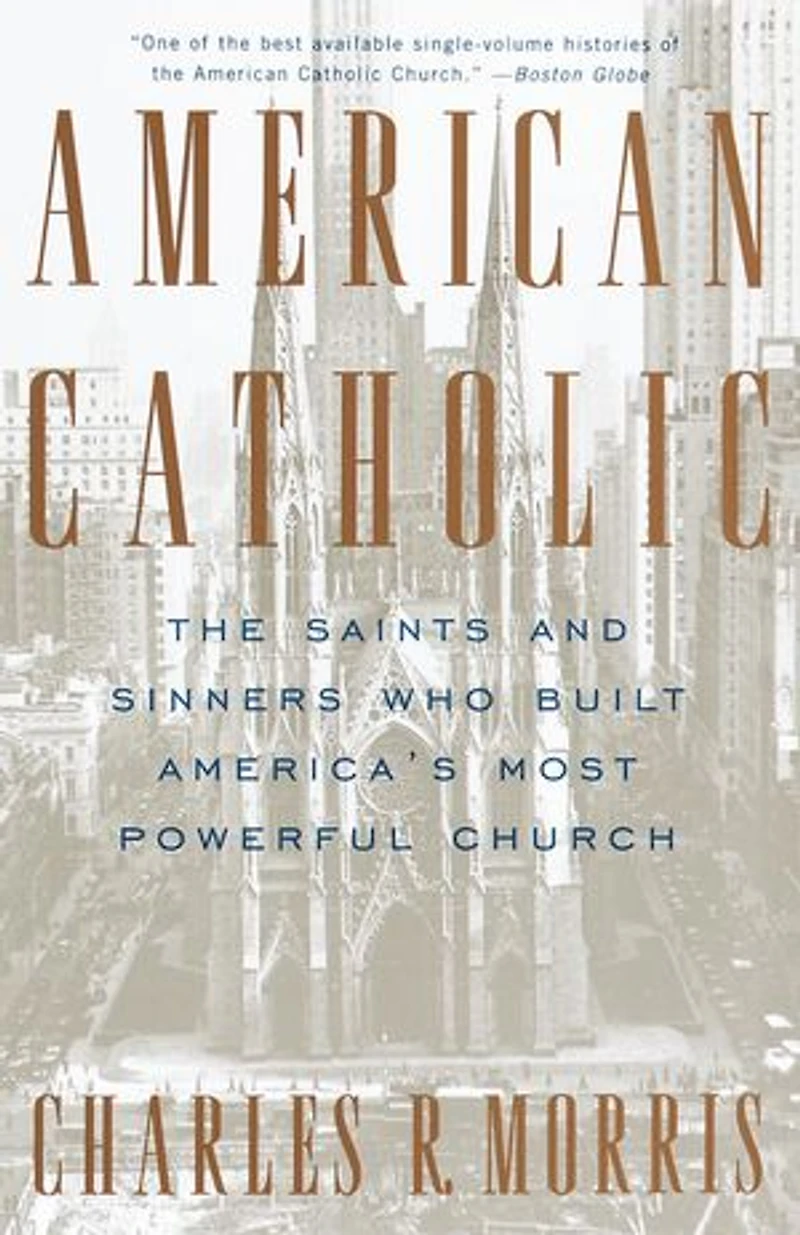
American Catholic: The Saints And Sinners Who Built America's Most Powerful Church in Vernon, BC
By None
Current price: $14.99
Coles
American Catholic: The Saints And Sinners Who Built America's Most Powerful Church in Vernon, BC
By None
Current price: $14.99
Loading Inventory...
Size: Kobo eBook
*Product information may vary - to confirm product availability, pricing, shipping and return information please contact Coles
"A cracking good story with a wonderful cast of rogues, ruffians and some remarkably holy and sensible people." --Los Angeles Times Book Review
Before the potato famine ravaged Ireland in the 1840s, the Roman Catholic Church was barely a thread in the American cloth. Twenty years later, New York City was home to more Irish Catholics than Dublin. Today, the United States boasts some sixty million members of the Catholic Church, which has become one of this country's most influential cultural forces.
In American Catholic: The Saints and Sinners Who Built America's Most Powerful Church, Charles R. Morris recounts the rich story of the rise of the Catholic Church in America, bringing to life the personalities that transformed an urban Irish subculture into a dominant presence nationwide. Here are the stories of rogues and ruffians, heroes and martyrs--from Dorothy Day, a convert from Greenwich Village Marxism who opened shelters for thousands, to Cardinal William O'Connell, who ran the Church in Boston from a Renaissance palazzo, complete with golf course. Morris also reveals the Church's continuing struggle to come to terms with secular, pluralist America and the theological, sexual, authority, and gender issues that keep tearing it apart. As comprehensive as it is provocative, American Catholic is a tour de force, a fascinating cultural history that will engage and inform both Catholics and non-Catholics alike.
"The best one-volume history of the last hundred years of American Catholicism that it has ever been my pleasure to read. What's appealing in this remarkable book is its delicate sense of balance and its soundly grounded judgments." --Andrew Greeley
"A cracking good story with a wonderful cast of rogues, ruffians and some remarkably holy and sensible people." --Los Angeles Times Book Review
Before the potato famine ravaged Ireland in the 1840s, the Roman Catholic Church was barely a thread in the American cloth. Twenty years later, New York City was home to more Irish Catholics than Dublin. Today, the United States boasts some sixty million members of the Catholic Church, which has become one of this country's most influential cultural forces.
In American Catholic: The Saints and Sinners Who Built America's Most Powerful Church, Charles R. Morris recounts the rich story of the rise of the Catholic Church in America, bringing to life the personalities that transformed an urban Irish subculture into a dominant presence nationwide. Here are the stories of rogues and ruffians, heroes and martyrs--from Dorothy Day, a convert from Greenwich Village Marxism who opened shelters for thousands, to Cardinal William O'Connell, who ran the Church in Boston from a Renaissance palazzo, complete with golf course. Morris also reveals the Church's continuing struggle to come to terms with secular, pluralist America and the theological, sexual, authority, and gender issues that keep tearing it apart. As comprehensive as it is provocative, American Catholic is a tour de force, a fascinating cultural history that will engage and inform both Catholics and non-Catholics alike.
"The best one-volume history of the last hundred years of American Catholicism that it has ever been my pleasure to read. What's appealing in this remarkable book is its delicate sense of balance and its soundly grounded judgments." --Andrew Greeley
You May Also Like







More About Coles at Village Green Shopping Centre
Find everything in-store including new, used and children’s books, music, movies, games and toys. Visit Coles today to find the perfect gift, or a novel for yourself. COVID-19 UPDATE: Open | Regular Centre Hours
Store Info
Find Coles at Village Green Shopping Centre in Vernon, BC
Visit Coles at Village Green Shopping Centre in Vernon, BC