

Choice Made Simple!
Too many options?Click below to purchase an online gift card that can be used at participating retailers in Village Green Shopping Centre and continue your shopping IN CENTRE!Purchase HereHome
All Y'all: Queering Southernness US Fiction, 1980-2020
Coles
Loading Inventory...

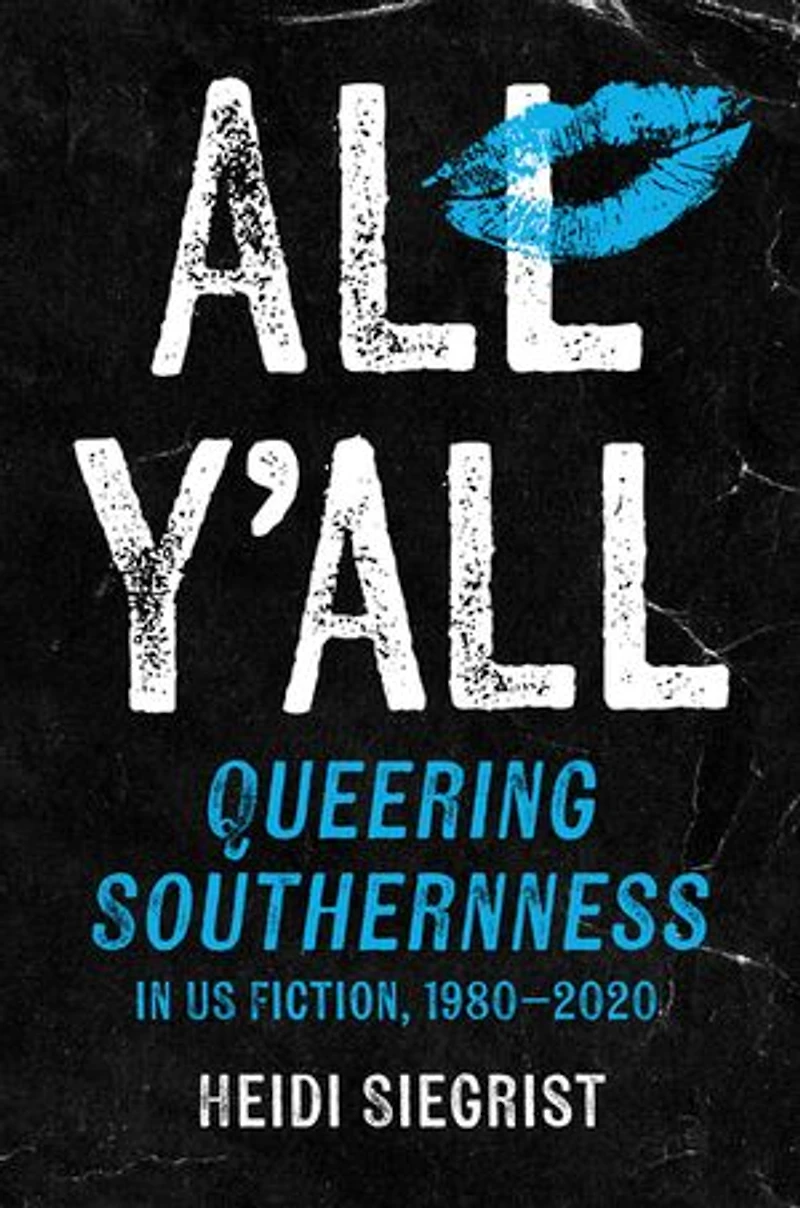

All Y'all: Queering Southernness US Fiction, 1980-2020 in Vernon, BC
By None
Current price: $133.95
Coles
All Y'all: Queering Southernness US Fiction, 1980-2020 in Vernon, BC
By None
Current price: $133.95
Loading Inventory...
Size: Hardcover
*Product information may vary - to confirm product availability, pricing, shipping and return information please contact Coles
The South is often perceived as a haunted place in its region’s literature, one that is strange, deviant, or “queer.” The peculiar, often sexually charged literary worlds of contemporary writers like Fannie Flagg, Monique Truong, and Randall Kenan speak to this connection between queerness and the South. Heidi Siegrist explores the boundaries of negotiating place and sexuality by using the concept of Southernness—a purposefully fluid idea of the South that extends beyond simple geography, eschewing familiar ideas of the Southern canon. When the connection between queerness and Southerness becomes apparent, Siegrist shows a Southern-branded queer deviance can not only change the way we think about literature but can also change Southern queer people’s lived experiences.
Siegrist gathers a bevy of undertheorized writers, from Kenan and Truong to Dorothy Allison and even George R. R. Martin, showing that there are many “queer Souths.” Siegrist offers these multiverses as a way to appreciate a place that is often unfriendly, even deadly, to queer people. But as Siegrist argues, none of these Souths, from the terrestrial to the imaginary, would be what they are without the influence and power of queer literature.
The South is often perceived as a haunted place in its region’s literature, one that is strange, deviant, or “queer.” The peculiar, often sexually charged literary worlds of contemporary writers like Fannie Flagg, Monique Truong, and Randall Kenan speak to this connection between queerness and the South. Heidi Siegrist explores the boundaries of negotiating place and sexuality by using the concept of Southernness—a purposefully fluid idea of the South that extends beyond simple geography, eschewing familiar ideas of the Southern canon. When the connection between queerness and Southerness becomes apparent, Siegrist shows a Southern-branded queer deviance can not only change the way we think about literature but can also change Southern queer people’s lived experiences.
Siegrist gathers a bevy of undertheorized writers, from Kenan and Truong to Dorothy Allison and even George R. R. Martin, showing that there are many “queer Souths.” Siegrist offers these multiverses as a way to appreciate a place that is often unfriendly, even deadly, to queer people. But as Siegrist argues, none of these Souths, from the terrestrial to the imaginary, would be what they are without the influence and power of queer literature.
You May Also Like












More About Coles at Village Green Shopping Centre
Find everything in-store including new, used and children’s books, music, movies, games and toys. Visit Coles today to find the perfect gift, or a novel for yourself. COVID-19 UPDATE: Open | Regular Centre Hours
Store Info
Find Coles at Village Green Shopping Centre in Vernon, BC
Visit Coles at Village Green Shopping Centre in Vernon, BC