

Choice Made Simple!
Too many options?Click below to purchase an online gift card that can be used at participating retailers in Village Green Shopping Centre and continue your shopping IN CENTRE!Purchase HereHome
A Queer Way Out: The Politics of Emigration from Israel
Coles
Loading Inventory...
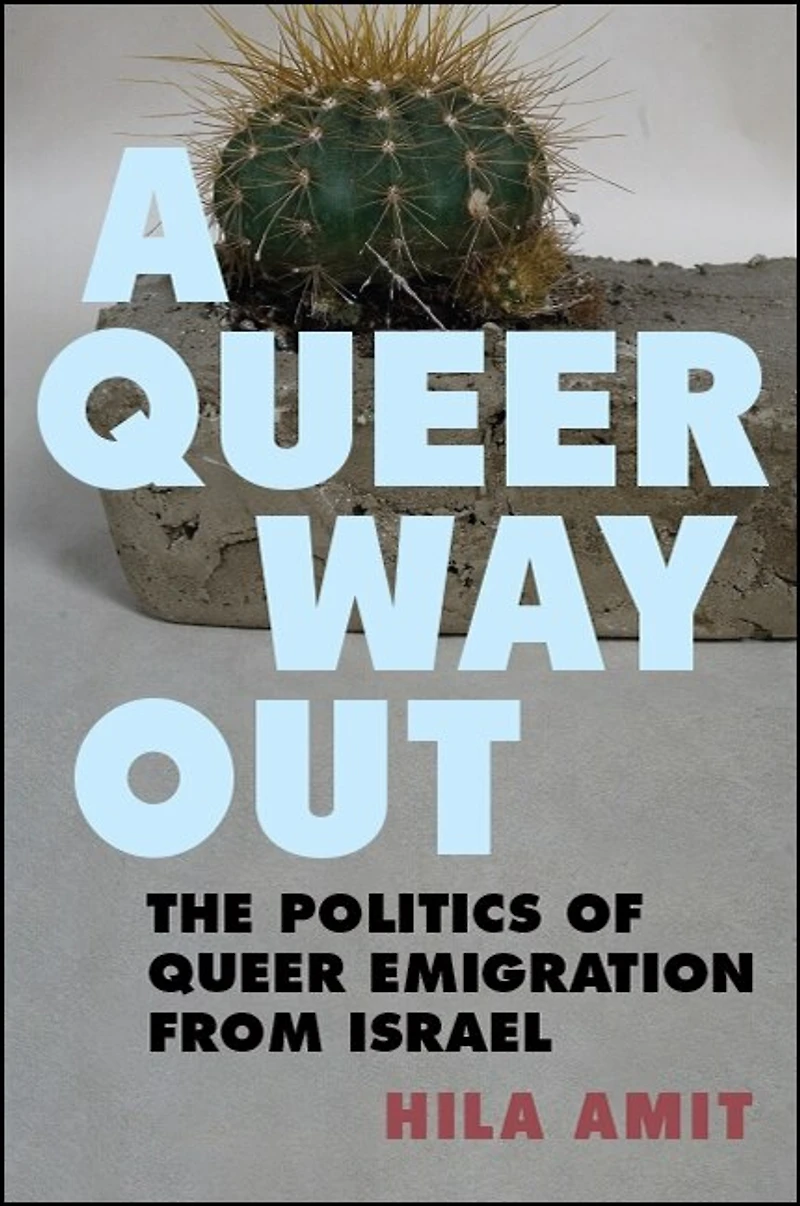
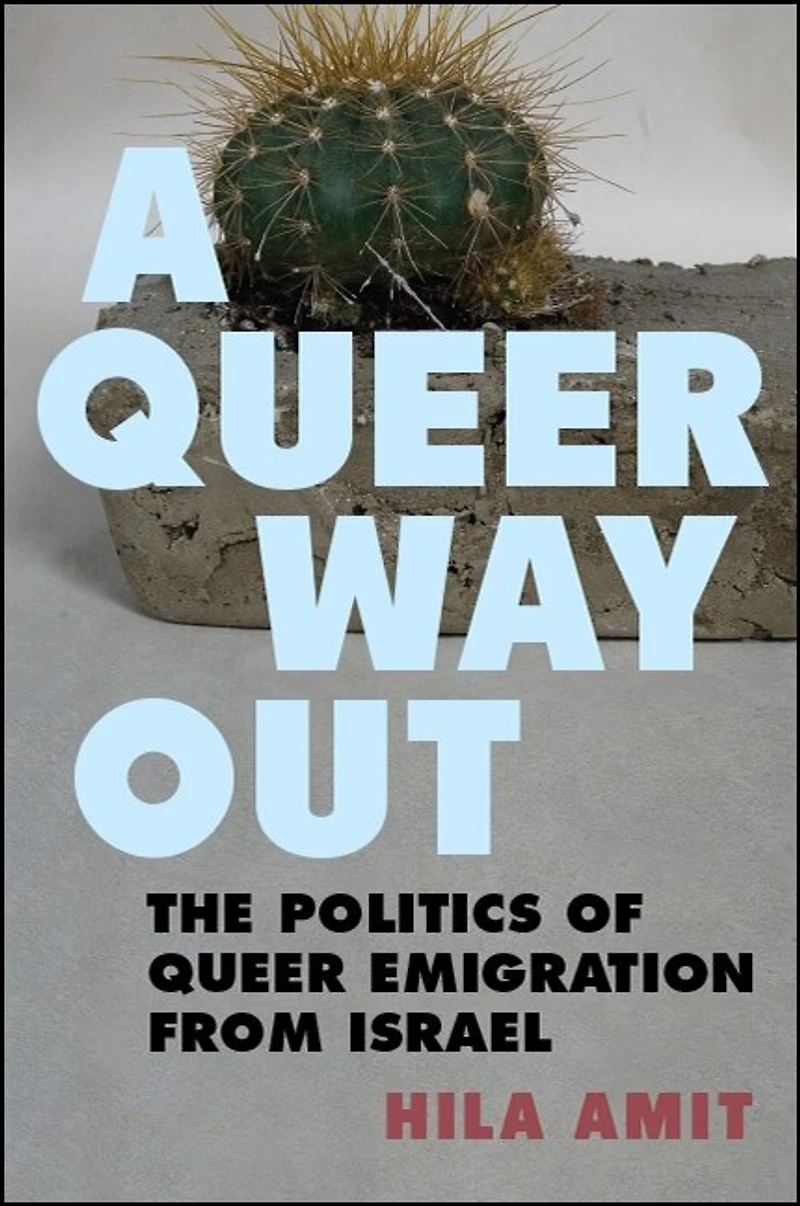
A Queer Way Out: The Politics of Emigration from Israel in Vernon, BC
By None
Current price: $135.95
Coles
A Queer Way Out: The Politics of Emigration from Israel in Vernon, BC
By None
Current price: $135.95
Loading Inventory...
Size: Hardcover
*Product information may vary - to confirm product availability, pricing, shipping and return information please contact Coles
The very language of Zionism prizes the concept of immigration to Israel (
, literally ascending) while stigmatizing emigration from Israel (
, descending). In
, Hila Amit explores the as-yet-untold story of queer Israeli emigrants. Drawing on extensive fieldwork in Berlin, London, and New York, she examines motivations for departure and feelings of unbelonging to the Israeli national collective. Amit shows that sexual orientation and left-wing political affiliation play significant roles in decisions to leave. Queer Israeli emigrants question national and heterosexual norms such as army service, monogamy, and reproduction. Amit argues that emigration itself is not only a political act, but one that pioneers a deliberately unheroic form of resistance to Zionist ideology. This fascinating study enriches our understandings of migration, political activism, and queer forms of living in Israel and beyond.
The very language of Zionism prizes the concept of immigration to Israel (
, literally ascending) while stigmatizing emigration from Israel (
, descending). In
, Hila Amit explores the as-yet-untold story of queer Israeli emigrants. Drawing on extensive fieldwork in Berlin, London, and New York, she examines motivations for departure and feelings of unbelonging to the Israeli national collective. Amit shows that sexual orientation and left-wing political affiliation play significant roles in decisions to leave. Queer Israeli emigrants question national and heterosexual norms such as army service, monogamy, and reproduction. Amit argues that emigration itself is not only a political act, but one that pioneers a deliberately unheroic form of resistance to Zionist ideology. This fascinating study enriches our understandings of migration, political activism, and queer forms of living in Israel and beyond.
You May Also Like











More About Coles at Village Green Shopping Centre
Find everything in-store including new, used and children’s books, music, movies, games and toys. Visit Coles today to find the perfect gift, or a novel for yourself. COVID-19 UPDATE: Open | Regular Centre Hours
Store Info
Find Coles at Village Green Shopping Centre in Vernon, BC
Visit Coles at Village Green Shopping Centre in Vernon, BC