

Choice Made Simple!
Too many options?Click below to purchase an online gift card that can be used at participating retailers in Village Green Shopping Centre and continue your shopping IN CENTRE!Purchase HereHome
A History of the Pachinko Industry: From a Peripheral Economy to a Huge Market
Coles
Loading Inventory...
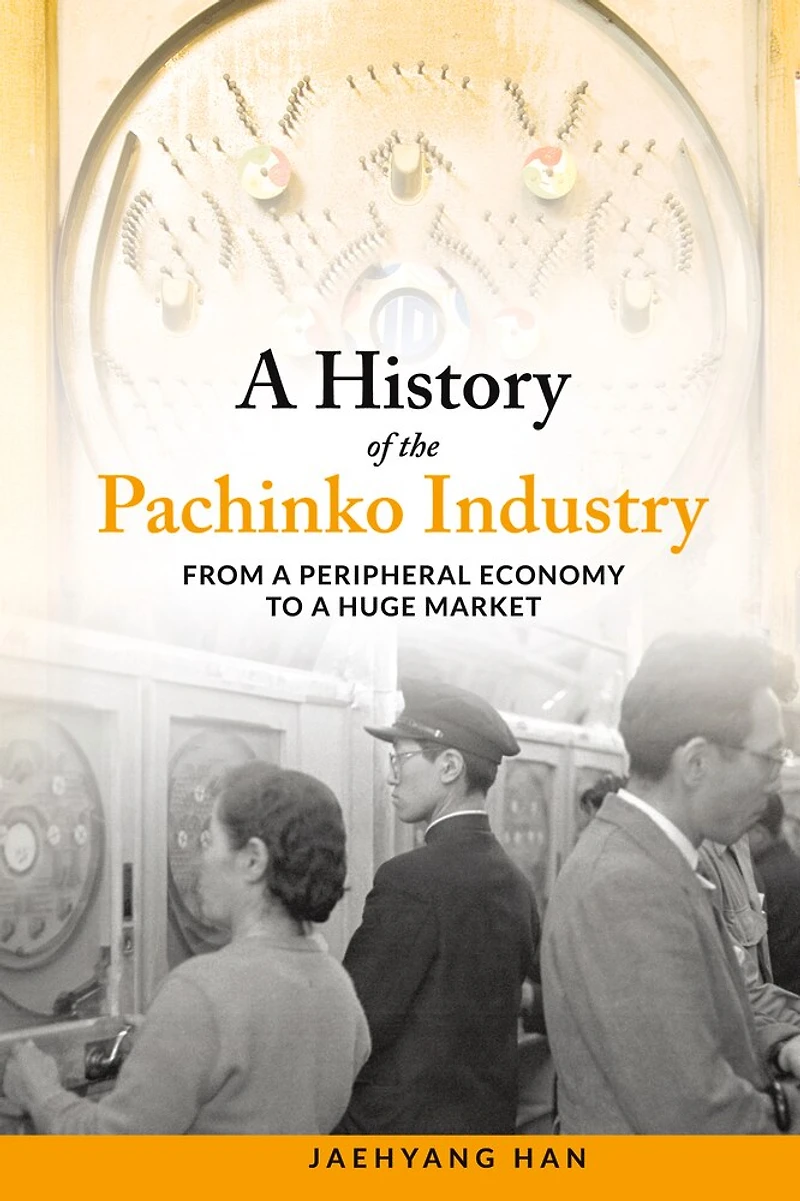
A History of the Pachinko Industry: From a Peripheral Economy to a Huge Market in Vernon, BC
By None
Current price: $66.95
Coles
A History of the Pachinko Industry: From a Peripheral Economy to a Huge Market in Vernon, BC
By None
Current price: $66.95
Loading Inventory...
Size: Paperback
*Product information may vary - to confirm product availability, pricing, shipping and return information please contact Coles
Pachinko parlors offer a form of gambling unique to Japan located near train stations, in the suburbs, and in other everyday living spaces. Before World War II, pachinko was born as a game for both children and adults to enjoy at outdoor festivals. From its humble origins, it has grown dramatically to become a huge industry with a market size of 30 trillion yen per year. How did pachinko develop from a peripheral economy to become a major industry? Ethnic minority Koreans in Japan, who arrived during the Korean colonial era, are deeply involved in the economic activities of the pachinko industry—how should we understand their involvement in the growth of this huge market? Drawing on a vast amount of primary and secondary resources from the 1950s to the 1990s, this book sheds new light on the circumstances behind the emergence of the pachinko industry as a huge market force in Japan.
Pachinko parlors offer a form of gambling unique to Japan located near train stations, in the suburbs, and in other everyday living spaces. Before World War II, pachinko was born as a game for both children and adults to enjoy at outdoor festivals. From its humble origins, it has grown dramatically to become a huge industry with a market size of 30 trillion yen per year. How did pachinko develop from a peripheral economy to become a major industry? Ethnic minority Koreans in Japan, who arrived during the Korean colonial era, are deeply involved in the economic activities of the pachinko industry—how should we understand their involvement in the growth of this huge market? Drawing on a vast amount of primary and secondary resources from the 1950s to the 1990s, this book sheds new light on the circumstances behind the emergence of the pachinko industry as a huge market force in Japan.
You May Also Like












More About Coles at Village Green Shopping Centre
Find everything in-store including new, used and children’s books, music, movies, games and toys. Visit Coles today to find the perfect gift, or a novel for yourself. COVID-19 UPDATE: Open | Regular Centre Hours
Store Info
Find Coles at Village Green Shopping Centre in Vernon, BC
Visit Coles at Village Green Shopping Centre in Vernon, BC